Best Time to Visit Komodo National Park: Month-by-Month Guide
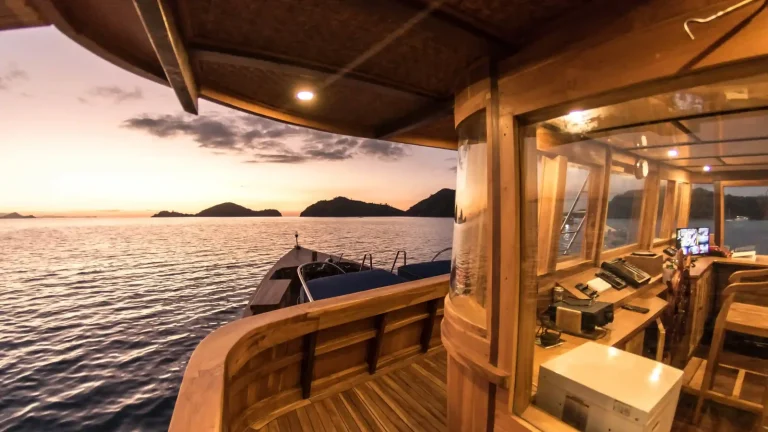
The best time to visit Komodo National Park is during the dry season from April through October, with June through September offering the absolute peak conditions. During these months, expect calm seas, water visibility exceeding twenty-five meters, minimal rainfall, comfortable temperatures around twenty-seven to thirty degrees Celsius, and the highest probability of manta ray encounters at sites like Manta Point and Manta Alley. Yacht charters during this window provide the smoothest sailing and best conditions for diving, snorkeling, and island exploration.
Peak Season: April Through October
The dry season months represent Komodo at its finest. Steady southeast trade winds create calm sea conditions ideal for comfortable sailing between islands. Underwater visibility regularly reaches twenty to thirty meters, revealing the full glory of Komodo’s coral reefs and marine megafauna. Rainfall is rare with most days offering cloudless skies from sunrise to sunset. Surface water temperatures average twenty-six to twenty-eight degrees Celsius, warm enough for extended snorkeling sessions without a wetsuit though a thin three-millimeter suit adds comfort for longer dives.
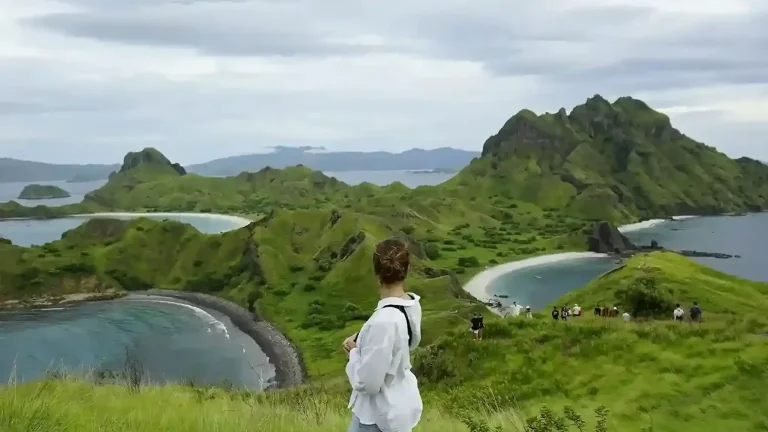
Within this broad peak season, June through September stand out as the absolute best months. These are when manta ray aggregations reach their highest numbers at cleaning stations and feeding sites. Whale sharks make occasional appearances near Sangeang Api volcano. Above water, the dry conditions mean crystal-clear photography opportunities at locations like Padar Island viewpoint where the three-bay panorama is best captured under blue skies.
Month-by-Month Breakdown
April: The transition from wet to dry season brings improving conditions. Seas calm rapidly, visibility increases to fifteen to twenty meters, and the first large manta aggregations begin. Good availability and slightly lower charter rates make April excellent value for experienced travelers who know the destination.
May: Fully into dry season with reliable calm seas and visibility reaching twenty to twenty-five meters. Manta encounters become frequent. Green hillsides from the recent rains create lush landscapes that contrast beautifully with the turquoise waters. An ideal month balancing great conditions with moderate crowds.
June: Peak season begins in earnest. Conditions are consistently excellent across all activities from diving to hiking. Manta rays are abundant at multiple sites. This is the start of the busiest booking period so early reservation of yacht charters is essential.
July-August: The absolute peak of peak season. Maximum visibility, calmest seas, most reliable weather, and highest manta activity. These months see the highest demand and premium pricing. Book your charter four to six months in advance for July and August dates.
September: Conditions remain excellent as the dry season continues. Slightly fewer crowds than July and August while conditions are nearly identical. Many experienced Komodo visitors consider September the sweet spot of great conditions and better availability.
October: The last month of reliable dry season conditions. Seas remain calm early in the month though occasional showers may appear toward month’s end. Excellent value as charter rates begin to decrease from peak season levels while conditions remain very good.
Shoulder Season: March and November
These transition months can be excellent for travelers willing to accept slightly less predictable weather in exchange for lower prices and fewer crowds. March sees the tail end of the wet season with decreasing rainfall and improving visibility. Sea conditions can vary between calm and moderate. November marks the start of the wet season transition with increased cloud cover and occasional afternoon rain showers but still very diveable conditions on most days.
Charter rates during shoulder months are typically fifteen to twenty-five percent lower than peak season pricing. Availability is much better with most vessel types bookable just two to three weeks in advance. Marine life remains abundant though manta aggregations may be less concentrated than during peak months.
Wet Season: December Through February
The wet season brings warmer water temperatures of twenty-eight to thirty degrees Celsius, reduced visibility averaging eight to fifteen meters, and periodic rainfall. Sea conditions can be rougher particularly in exposed areas between islands. However, Komodo remains visitable year-round and the wet season offers its own unique advantages including warmer water, plankton blooms that attract whale sharks and manta rays to different locations, and dramatically lower prices and tourist numbers.
December sees a spike in demand around the Christmas and New Year holiday period when charter rates temporarily return to near-peak levels despite wet season conditions. If you specifically want a festive holiday yacht charter, book the December holiday period well in advance as it sells out months ahead.
Best Months for Specific Activities
Scuba Diving: June through September for maximum visibility and marine life density. Current-swept sites like Batu Bolong and Crystal Rock are at their most spectacular during these months with powerful currents bringing nutrient-rich waters that attract massive schools of fish.
Manta Ray Encounters: May through September at Manta Alley and Manta Point in south Komodo. December through February in north Komodo waters where mantas follow plankton blooms to different feeding grounds.
Snorkeling: April through November when visibility and sea conditions combine for the best shallow reef experiences. Pink Beach and Kanawa Island offer protected snorkeling suitable even during shoulder months.
Photography: June through September for landscape photography with clear skies and dramatic light. Underwater photography is best during these same months when visibility peaks and marine life is most active and photogenic.
Komodo Dragon Trekking: Year-round as dragons are resident on Komodo and Rinca islands. However, the dry season months provide more comfortable hiking conditions with lower humidity and temperatures. Early morning treks between 7:00 and 9:00 AM offer the best dragon activity regardless of season.
Frequently Asked Questions
Can I visit Komodo National Park in January or February?
Yes, the park is open year-round. January and February are the wettest months with more frequent rain showers and rougher seas, but diving and island visits are still possible on most days. Water temperatures are warmest during these months, and some dive sites offer unique encounters with species attracted to the nutrient-rich waters.
When is the cheapest time to charter a yacht in Komodo?
The lowest charter rates are available from December through March excluding the Christmas-New Year holiday period. Shoulder months of March and November also offer reduced rates with better conditions than deep wet season. Savings of twenty to thirty percent compared to peak season are common during these periods.
Is it too hot to visit Komodo in the dry season?
Temperatures during the dry season average twenty-seven to thirty-two degrees Celsius with low humidity making conditions pleasant for most travelers. Sea breezes on the yacht keep things comfortable during the day. We recommend early morning starts for hiking activities and plenty of water throughout the day.
What months have the best chance of seeing manta rays?
May through September offers the highest probability of manta encounters in the southern Komodo dive sites. However, mantas are resident in Komodo waters year-round and can be encountered any month. Our experienced crew knows the seasonal patterns and adjusts itineraries to maximize your chances regardless of when you visit.
Does weather affect the Komodo entry permit system?
In cases of severe weather, park authorities may temporarily close specific zones for safety. This is rare during dry season but can occur during wet season storms. Closures are typically brief and your captain will adjust your itinerary to alternative protected areas within the park. Full refunds are provided for government-ordered closures.
How far in advance should I book for peak season?
For July and August, book your yacht charter four to six months in advance. For June and September, three to four months ahead is usually sufficient. Premium vessels like our largest phinisi boats sell out earliest. Contact us early to secure your preferred dates and vessel.
Plan Your Perfect Komodo Season
Our charter specialists will recommend the ideal dates based on your interests, budget, and preferred activities.