Komodo Dragon Encounter: Safety Guide & What to Expect
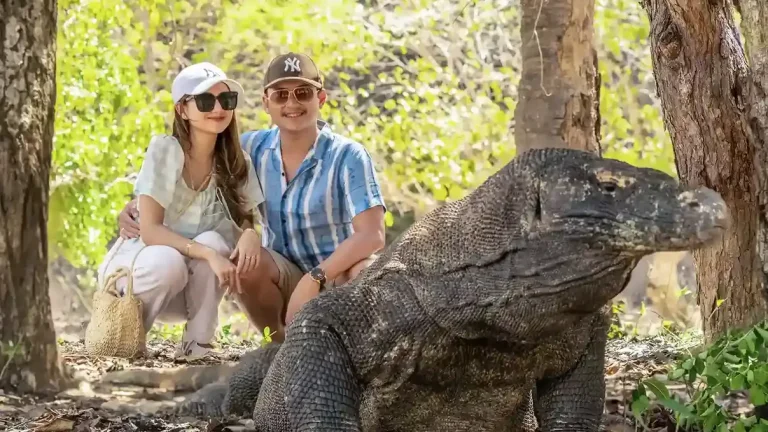
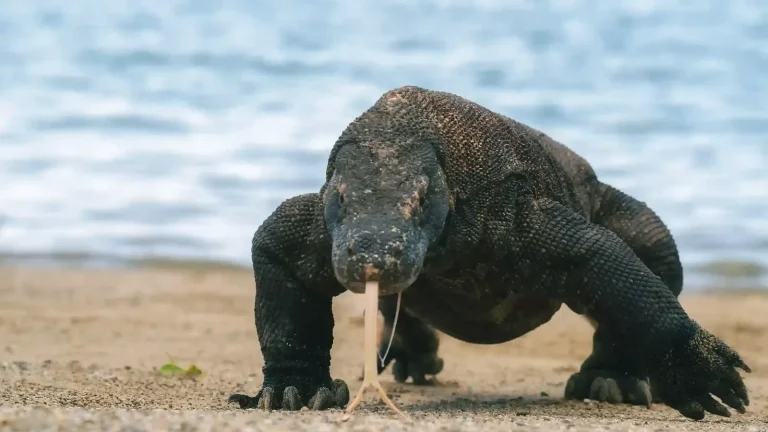
Encountering Komodo dragons in their natural habitat is a once-in-a-lifetime wildlife experience available on both Komodo Island and Rinca Island within Komodo National Park. These ancient reptiles, the world’s largest living lizards reaching up to three meters in length and ninety kilograms in weight, are observed safely with mandatory park ranger guides who carry forked sticks and have decades of experience managing dragon encounters. Visitors can expect to see dragons resting, walking, and sometimes feeding during guided treks lasting one to two hours along well-maintained trails.
Where to See Komodo Dragons
Komodo Island and Rinca Island are the two primary locations for dragon trekking within the national park. Komodo Island, the larger of the two, has an estimated population of around 1,700 dragons. The main viewing area at Loh Liang features a ranger station where dragons frequently congregate, particularly near the kitchen area where they are attracted by cooking smells. From here, guided trails lead through savanna and forest habitats where additional dragons may be spotted along with other wildlife including water buffalo, deer, wild boar, and various bird species.
Rinca Island is closer to Labuan Bajo and many travelers prefer it for shorter itineraries. The island hosts approximately 1,300 dragons and encounters are often more dynamic as Rinca’s smaller area concentrates the animals. The Loh Buaya ranger station on Rinca frequently has multiple dragons visible immediately upon arrival, sometimes including mothers with juveniles. The hiking trails on Rinca are also slightly more varied with both coastal and hillside routes available.
The Guided Trek Experience
All dragon trekking is conducted in small groups led by experienced park rangers. Immediately upon landing, your group receives a safety briefing covering behavior rules, appropriate distances, and emergency procedures. Rangers carry Y-shaped wooden sticks which they use to redirect dragons if they approach too closely. Groups typically choose from short, medium, or long trek routes ranging from one to three hours in duration.
The short trek of approximately one hour follows the immediate area around the ranger station where dragon sightings are virtually guaranteed. This option is suitable for families with young children, elderly visitors, or anyone preferring minimal physical exertion. The medium trek adds a loop through savanna habitat with opportunities to see dragons in more natural settings away from the station area. The long trek covers three to five kilometers through varied terrain including forest, grassland, and hillside viewpoints with the best chances of encountering dragons in fully wild behavior patterns.
What You Will See
Dragon behavior varies by time of day and season. Morning visits typically find dragons basking in the sun to raise their body temperature, often lying motionless on trails and near water sources. As the day warms, they become more active and may be seen walking, digging nesting burrows during breeding season from May through August, or patrolling their territory. Feeding events are rare to witness but extraordinarily dramatic when they occur, as dragons are apex predators capable of taking prey as large as water buffalo.
Beyond dragons, the treks offer rich wildlife viewing. Timor deer are abundant and serve as the dragons’ primary prey. Water buffalo wallow in muddy pools and can be aggressive, so rangers maintain safe distances from these animals as well. Crab-eating macaques inhabit the forest edges, and birdlife includes the orange-footed scrubfowl, various kingfisher species, and sea eagles soaring above the coastal cliffs.
Safety Rules and Guidelines
Safety during dragon encounters requires strict adherence to ranger instructions. The fundamental rules include maintaining a minimum distance of three meters from any dragon, never turning your back on an approaching dragon, staying with your group at all times, avoiding sudden movements or loud noises, not wearing strong perfumes or applying open wounds as dragons detect blood from kilometers away, and carrying all personal belongings close to your body as dragons are attracted to dangling objects.
Women who are menstruating should inform the ranger privately as this is a genuine safety consideration due to the dragons’ extraordinary ability to detect blood through their forked tongues which sample airborne chemical particles. Rangers will adjust the group’s route and provide additional protection. This is a standard precaution in the park, not a restriction on visiting.
Best Time for Dragon Trekking
Early morning between 7:00 and 9:00 AM is the ideal time for dragon trekking. The temperature is coolest and most comfortable for hiking, and dragons are often at their most visible as they bask in the first warmth of the day. The light is also excellent for photography with soft warm tones that bring out the texture and detail of the dragons’ scaly skin. By mid-morning, rising temperatures drive many dragons into shade where they become harder to spot and photograph.
The dry season months from April through November offer the best trekking conditions with firm trails, low vegetation that improves visibility, and pleasant temperatures. During the wet season December through March, trails can become muddy and slippery, and tall grass reduces visibility of resting dragons. However, the wet season coincides with dragon nesting behavior which can provide unique sighting opportunities.
Frequently Asked Questions
How close can I get to a Komodo dragon?
The minimum safe distance is three meters which is enforced by park rangers. In practice, dragons sometimes approach closer to humans on their own, in which case the ranger uses their stick to gently redirect the animal. Photography with a standard zoom lens or even a smartphone produces excellent results from the three-meter distance.
Are Komodo dragon attacks common?
Attacks on visitors are extremely rare with proper ranger supervision. The last significant incident was years ago and occurred when safety protocols were not followed. The ranger system has an excellent safety record with thousands of visitors completing dragon treks safely every day during peak season.
Can children participate in dragon trekking?
Yes, children of all ages can participate though we recommend the short trek option for children under eight. Children must stay between adults in the group and be supervised closely. Rangers are experienced with family groups and provide appropriate guidance. Many children find the experience thrilling and educational.
Should I visit Komodo Island or Rinca Island for dragons?
Both islands offer excellent encounters. Rinca is closer to Labuan Bajo saving travel time, and often provides more active dragon behavior. Komodo Island offers a larger area with more varied habitat and the historical significance of being the species’ namesake island. Many multi-day yacht charters include both islands.
What should I wear for dragon trekking?
Wear closed-toe hiking shoes or sturdy sneakers, long lightweight pants, and a comfortable breathable shirt. Avoid bright red clothing which may attract dragon attention. Bring a hat, sunglasses, sunscreen, and at least one liter of water. Camera equipment should have a strap worn across the body rather than dangling.
Do I need a separate ticket for dragon trekking?
No separate ticket is required beyond your Komodo National Park entry permit purchased through the SiORA app. The permit includes ranger guide services for dragon trekking on both Komodo and Rinca islands. Your charter crew will verify permits are in order before each island visit.
Meet the Dragons on a Private Yacht Charter
Skip the crowds with an early morning arrival. Our crew plans your dragon trek at the optimal time for the best encounters.