Should You Visit Komodo Island or Rinca Island to See Komodo Dragons?
The choice between visiting Komodo Island or Rinca Island for Komodo dragon encounters is one of the most common decisions yacht charter guests face when planning their itinerary. Both islands are home to significant populations of the world’s largest living lizard, but they offer distinctly different experiences in terms of accessibility, dragon behavior, landscape, trekking difficulty, and overall atmosphere. Understanding these differences helps you — or your charter captain — choose the island that best matches your group’s preferences, physical fitness level, and desired encounter quality.
How Do the Dragon Populations Compare?
The total Komodo dragon population within the national park is estimated at approximately 3,000–3,500 individuals distributed primarily across three islands. Komodo Island hosts the largest population at roughly 1,700 dragons across 390 square kilometers. Rinca Island supports approximately 1,300 dragons on a smaller 196 square kilometer landmass — meaning Rinca actually has a higher dragon density per square kilometer, which translates to a greater likelihood of encountering dragons during a standard 1–2 hour trek. The smaller Gili Motang island hosts a small population of approximately 100 dragons but is not regularly visited by tourist treks. Both Komodo and Rinca dragons are the same species (Varanus komodoensis) with no genetic or behavioral differences between populations — any variation in encounter quality comes from environmental factors, trekking routes, and seasonal conditions rather than differences in the animals themselves.
What Is the Trekking Experience Like on Each Island?
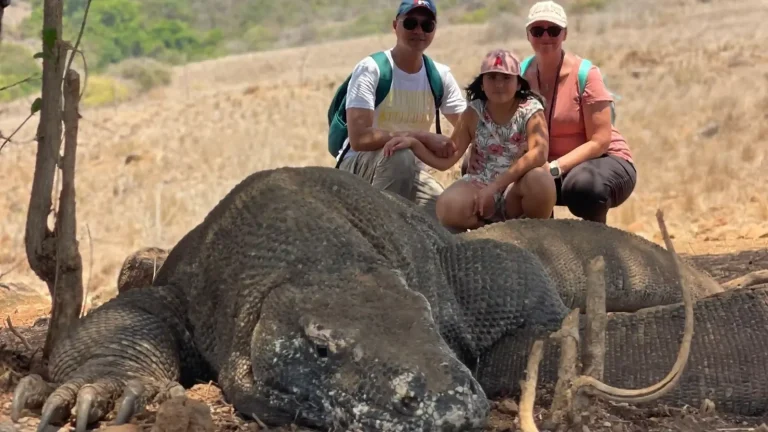
Rinca Island treks depart from the Loh Buaya ranger station, where dragons are frequently spotted near the station buildings and kitchen area — attracted by food smells from the ranger quarters. This means dragon encounters often begin immediately upon disembarking, before the actual trek begins. The standard medium trek (approximately 2 km, 1.5 hours) follows relatively flat terrain through savanna grassland and dry forest, with multiple opportunities to observe dragons basking, hunting, and interacting. The landscape is more open than Komodo, providing better visibility and photography angles. Rinca is generally recommended for families with children and less physically fit travelers due to its gentler terrain. Komodo Island treks depart from Loh Liang ranger station, where the trekking routes are longer and more varied. The medium trek covers approximately 3 km over 2 hours through mixed habitat including monsoon forest, savanna, and mangrove-fringed coastline. Terrain is slightly more challenging with some hills. Komodo Island offers a greater sense of wilderness and remoteness — the island is larger, less visited, and the dragon encounters tend to feel more wild and less predictable than Rinca’s more concentrated viewing areas.
Which Island Offers Better Photography Opportunities?
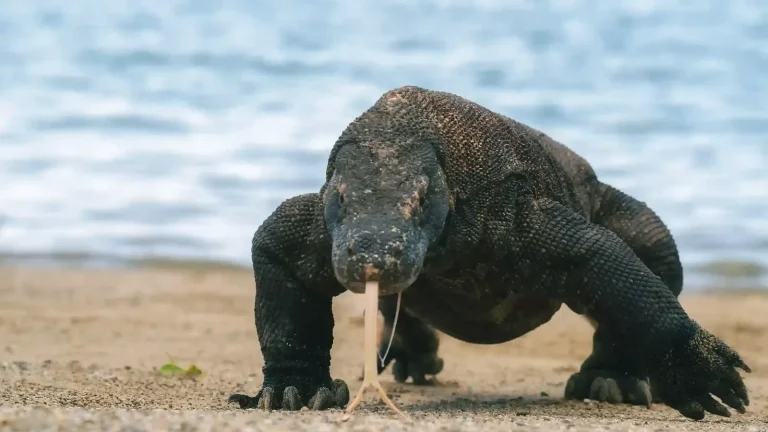
For photography, the answer depends on what kind of images you’re seeking. Rinca excels for close-up, detailed dragon portraits because dragons near the ranger station are habituated to human presence and remain calm at closer distances, allowing photographers time to compose shots with different angles and lighting. The open savanna background provides clean, uncluttered compositions. Morning light at Rinca creates beautiful warm tones on the dragons’ rough, armored skin. Komodo Island offers more dramatic environmental portraits — photographing dragons in varied habitat settings including forest clearings, rocky coastlines, and water holes where dragons sometimes hunt deer. The longer treks increase the chance of documenting natural behavior: territorial displays between males, female nest-guarding, and hunting sequences. For the most committed wildlife photographers, Komodo Island’s longer treks and more varied encounters justify the additional effort. Most yacht charter itineraries include both islands, allowing photographers to compare and combine images from both environments.
How Do the Surrounding Waters and Landscapes Differ?
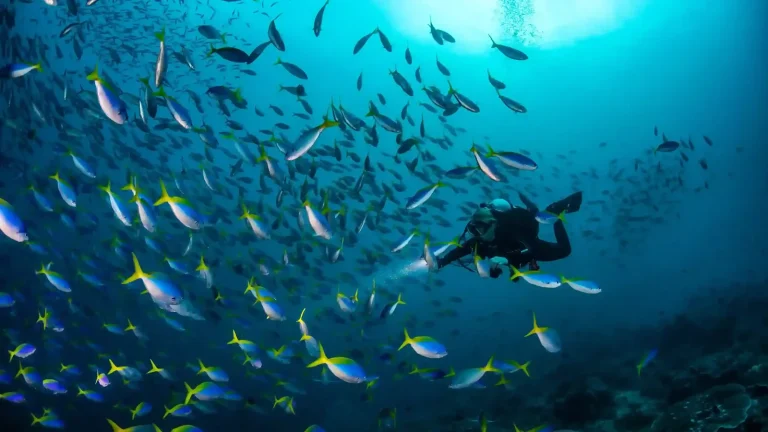
Beyond the dragon encounters, each island offers distinct natural attractions for yacht charter guests. Rinca’s surrounding waters feature excellent snorkeling at several sheltered bays along the east coast, with healthy coral reefs and abundant reef fish. The approach to Loh Buaya passes through a narrow channel sometimes frequented by dolphins. The island’s landscape — golden savanna grasslands with scattered lontar palms against blue ocean — creates a prehistoric atmosphere reminiscent of the African savanna. Komodo Island’s coastline is more dramatic, with steep volcanic cliffs, hidden coves, and the famous Pink Beach (Pantai Merah) on its eastern shore — one of just seven pink sand beaches on Earth. The waters around Komodo’s north coast include top-tier dive sites like Castle Rock, Crystal Rock, and Batu Bolong. The western side of the island faces open ocean with opportunities for pelagic encounters including manta rays and occasional whale sightings during migration season.
What Are the Practical Considerations for Each Island?
Visitor capacity and crowding differ significantly between the islands. Rinca receives fewer visitors than Komodo Island on most days, as many day-trip speedboats from Labuan Bajo prioritize Komodo Island for its name recognition. This means yacht charter guests visiting Rinca, especially in the afternoon when day-trippers have departed, often enjoy more intimate dragon encounters with smaller groups. Komodo Island can get busy during peak season mornings when multiple day-trip boats arrive simultaneously — your yacht captain can time arrivals to avoid the rush by visiting early morning or late afternoon. Park entrance fees are the same for both islands: IDR 350,000 per person for international visitors on weekdays, IDR 500,000 on weekends and holidays (2026 rates). Each island requires a licensed park ranger guide — assigned at the ranger station upon arrival. Trekking options are typically short (30–45 minutes), medium (1.5–2 hours), or long (3–4 hours) on both islands, with the longer treks offering the best chance of encountering dragons in truly wild settings away from the ranger station areas.
Our Recommendation: Visit Both
The ideal yacht charter itinerary includes both Komodo and Rinca islands, providing the complete Komodo dragon experience. A well-planned itinerary visits Rinca early in the trip — the easier terrain and reliable close-up encounters serve as an excellent introduction to the dragons, building confidence and excitement. Later in the voyage, visit Komodo Island for a longer, more adventurous trek through varied habitat, followed by snorkeling or diving at the island’s spectacular marine sites. This sequencing creates a narrative arc from accessible to adventurous, with each island offering unique perspectives on these remarkable prehistoric predators. If you can only visit one island due to time constraints, Rinca is generally the better choice for first-time visitors and families, while Komodo Island suits experienced travelers seeking a wilder, more immersive encounter.
FAQ: Komodo vs Rinca Island
Which island has more Komodo dragons? Komodo Island has more total dragons (~1,700 vs ~1,300), but Rinca has higher density per square kilometer, meaning encounters are often more frequent.
Which island is better for families with children? Rinca — flatter terrain, easier treks, and reliable dragon sightings near the ranger station make it more suitable for younger visitors.
Are the dragons dangerous? Komodo dragons are wild apex predators with venomous bites. All treks are guided by armed rangers. Following instructions — staying in the group, maintaining distance, not approaching alone — ensures safety.
Can I visit both islands in one day? Yes — yacht charters commonly visit Rinca in the morning and Komodo in the afternoon (or vice versa), with sailing time between the islands approximately 1–2 hours.
When is the best time to see active dragons? Morning (7–9 AM) and late afternoon (3–5 PM) when temperatures are moderate. Midday heat causes dragons to become lethargic and seek shade.
Do I need to be physically fit? Medium treks on both islands are accessible to reasonably fit adults. Short treks are suitable for almost everyone. Long treks require moderate hiking fitness.
Meet the Dragons on Both Islands
Our charter itineraries include both Komodo and Rinca for the complete dragon encounter experience.