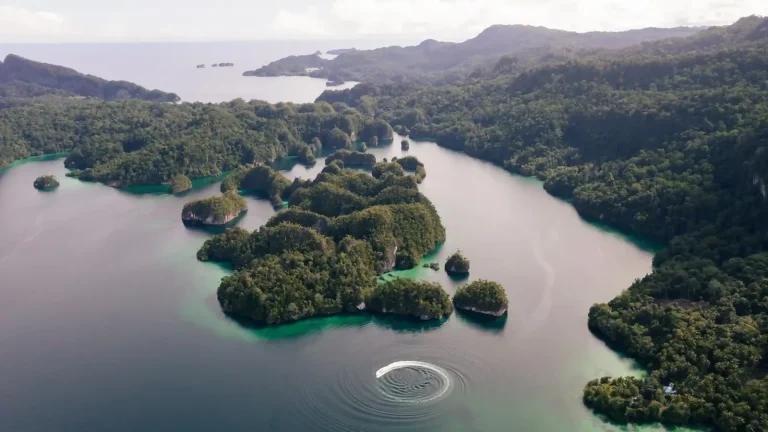
Swimming alongside a giant oceanic manta ray at Manta Point in Komodo National Park is one of the most extraordinary wildlife encounters on Earth. With wingspans reaching up to 7 meters, these gentle giants glide through the crystal-clear waters with effortless grace, often approaching curious snorkelers and divers within arm’s reach. Manta Point Komodo is one of the world’s most reliable locations for manta ray encounters, with sighting rates exceeding 90% during peak season — making it the highlight of virtually every Komodo yacht charter.
Where Is Manta Point and Why Are Mantas There?
Manta Point — officially known as Makassar Reef or Manta Alley — is located between Komodo Island and Flores in the Komodo National Park. The site is a shallow reef platform that acts as a cleaning station for manta rays. Smaller fish called cleaner wrasses remove parasites from the mantas’ skin and gills, creating a symbiotic relationship that draws mantas to the same location day after day. The nutrient-rich currents flowing through the strait between the Indian and Pacific Oceans also concentrate plankton here, providing an abundant food source. This combination of cleaning stations and food supply makes Komodo home to one of the largest resident manta ray populations on the planet, estimated at over 1,000 individuals.
Snorkeling with Mantas: No Dive Certification Required
One of the most remarkable aspects of Manta Point is that you do not need to be a certified diver to have a top-tier manta encounter. The mantas frequently feed and clean in water as shallow as 3-5 meters, putting them within easy reach of snorkelers floating on the surface. From your yacht, you will take a short tender ride to the site where your guide will brief you on manta etiquette and safety. Once in the water, you simply float face-down and watch as these magnificent creatures cruise beneath you — sometimes rising to within a meter of the surface. The experience is humbling, peaceful, and profoundly moving.
For the best snorkeling experience, visit Manta Point during slack tide when currents are minimal and visibility is highest. Your yacht captain and guides know the tidal patterns intimately and will time your visit for optimal conditions. On a private charter, you have the flexibility to wait for perfect conditions rather than following a rigid day-trip schedule.
Diving at Manta Point: An Underwater Cathedral
Dive depth: 5-15 meters at the cleaning station, reef slopes to 25 meters
Certification required: Open Water Diver minimum, Advanced recommended
Visibility: 10-25 meters depending on conditions
Current: Mild to moderate (can be strong during tidal changes)
Water temperature: 24-28°C
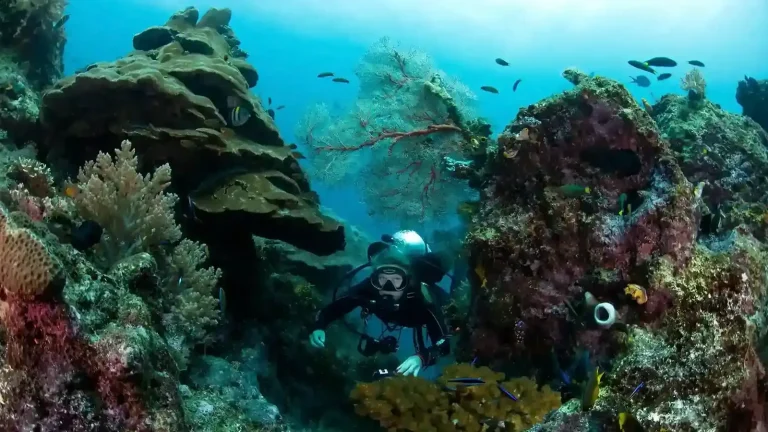
Diving at Manta Point puts you at eye level with these incredible creatures. Settle onto the sandy bottom near the cleaning station at around 10 meters depth, stay still, and mantas will approach you — sometimes hovering directly overhead with their massive wings outstretched. It is not unusual to see 5-10 mantas at the cleaning station simultaneously, creating an underwater ballet that defies description. Our diving packages include all equipment, guides, and briefings for both beginners and experienced divers.
Best Time to See Mantas in Komodo
Peak season (December-February): Oceanic mantas are most abundant during the wet season when plankton blooms attract them in large numbers. You may see groups of 20 or more mantas feeding together in choreographed circles.
Year-round residents (March-November): Reef mantas are present at cleaning stations throughout the year. Encounters with 3-8 mantas are typical during the dry season, with the added benefit of calmer seas and better underwater visibility.
Timing your visit: Early morning visits (7-9am) often produce the best encounters before day-trip boats arrive. Afternoon visits during incoming tides also bring excellent feeding activity. A multi-day charter allows you to visit Manta Point at the optimal tidal window rather than on a fixed schedule.
Manta Ray Etiquette: How to Be a Responsible Visitor
Manta rays are protected under Indonesian law and international conservation agreements. Following proper etiquette ensures these magnificent creatures continue to thrive and that future visitors can enjoy the same encounters. Maintain a minimum distance of 3 meters and never chase, touch, or attempt to ride a manta ray. Do not use flash photography underwater. Enter and exit the water quietly to avoid startling the mantas. Allow them to approach you on their own terms — mantas are naturally curious and will often come closer if you remain calm and still.
Use only reef-safe sunscreen before entering the water, and avoid wearing dangling accessories or fins that could injure the mantas. Our guides enforce a strict code of conduct at Manta Point to protect both guests and wildlife. This responsible approach ensures that Komodo remains one of the best places on Earth for manta encounters.
Other Incredible Dive Sites Near Manta Point
While Manta Point is the star attraction, the surrounding waters offer top-tier diving at dozens of sites. Batu Bolong is a submerged pinnacle considered one of the top 10 dive sites in the world, covered in soft corals and swarming with reef fish, sharks, and turtles. Crystal Rock offers dramatic underwater topography with massive schools of fusiliers and sweetlips. Castle Rock is famous for encounters with grey reef sharks, giant trevally, and occasional eagle rays. All of these sites are easily accessible as part of a Komodo diving charter.
Why a Private Yacht Is the Best Way to Dive Komodo
Unlike land-based dive operators that run fixed schedules from Labuan Bajo (1-2 hours each way by speedboat), a private yacht anchors directly at the dive sites. This means more time in the water, less time commuting, and the ability to dive at optimal conditions. You can do a dawn dive at Manta Point, a mid-morning dive at Batu Bolong, and an afternoon snorkel at Pink Beach — all without the fatigue of long speedboat rides. Your yacht becomes a floating dive resort with unlimited surface intervals spent relaxing on deck with gourmet meals between dives.
Frequently Asked Questions
Will I definitely see manta rays?
Sighting rates at Manta Point exceed 90% during peak season. While wildlife encounters are never guaranteed, the resident population and reliable cleaning station behavior make Komodo one of the most consistent manta destinations in the world.
Are manta rays dangerous?
No. Manta rays are gentle filter feeders with no stinger (unlike stingrays) and pose absolutely no threat to humans. They are intelligent, curious creatures that often seek out interactions with divers and snorkelers.
Can beginners snorkel with mantas?
Yes. Basic swimming ability and comfort in open water is all that is required. Your guide provides a full briefing and stays with you throughout the experience. Life jackets are available for those who prefer extra buoyancy.
What underwater camera should I bring?
A GoPro with a dome port produces stunning split-level shots. For more serious underwater photography, a mirrorless camera in a housing with a wide-angle lens (10-17mm or equivalent) captures the full wingspan of approaching mantas.
Swim with Giants in Komodo
Add Manta Point to your Komodo yacht charter itinerary and experience one of the planet’s most awe-inspiring wildlife encounters. Whether you snorkel or dive, this is a moment you will never forget.