What Makes Komodo One of Asia’s Best Sport Fishing Destinations?
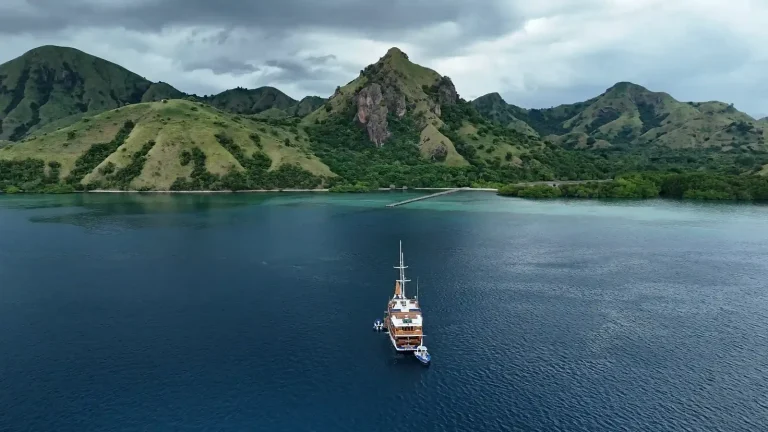
The waters surrounding Komodo National Park sit at the intersection of the Indian and Pacific Oceans, where powerful tidal currents channel nutrient-rich water through narrow straits between volcanic islands — creating one of the most productive fishing grounds in all of Southeast Asia. Sport fishing in Komodo offers encounters with giant trevally (GT) exceeding 50 kilograms, yellowfin tuna, Spanish mackerel, wahoo, mahi-mahi, sailfish, and blue marlin — all within sight of the dramatic volcanic landscapes and pristine islands that make this region famous. A fishing charter on a yacht in Komodo combines the thrill of top-tier angling with the luxury of cruising through one of Earth’s most beautiful archipelagos.
What Fish Species Can You Catch in Komodo Waters?
Komodo’s diverse marine habitat supports an extraordinary variety of game fish across multiple fishing techniques. Pelagic species (offshore): yellowfin tuna (20–80 kg) are abundant year-round, with peak season from May to October when schools chase baitfish through the straits. Wahoo up to 40 kg patrol the deeper channels between islands, while mahi-mahi (dorado) frequent floating debris and current lines. Spanish mackerel (tenggiri) provide exciting light-tackle sport at 10–25 kg. Billfish including sailfish and occasional blue marlin are encountered during the transition months (March–April and October–November). Reef species: giant trevally (GT) — the apex predator of tropical reef fishing — reach massive sizes in Komodo’s current-swept channels, with fish over 40 kg regularly caught on both popping and jigging techniques. Dogtooth tuna to 50 kg lurk around deep reef drop-offs. Coral trout, red snapper, and grouper provide excellent bottom fishing opportunities. Inshore species: queenfish, barracuda, and trevally species offer exciting light-tackle fishing in the shallows around island points and sandbanks.
What Fishing Techniques Work Best in Komodo?
The variety of underwater terrain in Komodo allows for multiple fishing techniques, often within a single day. Popping and stickbait casting: the premier technique for targeting giant trevally in Komodo. Casting large surface lures (poppers and stickbaits) onto reef edges and current breaks provokes explosive surface strikes from GTs that test both tackle and angler to their limits. This is visual, adrenaline-charged fishing at its finest — watching a 40 kg GT explode on your surface lure just meters from volcanic cliffs. Jigging: vertical jigging with metal lures over deep reef structures targets dogtooth tuna, amberjack, and deep-dwelling GTs. Slow-pitch jigging with lighter tackle has revolutionized reef fishing, producing trophy catches on finesse presentations. Trolling: dragging lures behind the yacht while transiting between islands is the primary method for tuna, wahoo, mahi-mahi, and billfish. Modern yachts can troll up to 6 lines simultaneously, covering maximum water during transit. Bottom fishing: traditional handline or light-tackle bottom fishing over reef structures produces excellent catches of coral trout, snapper, and grouper — perfect for providing fresh sashimi and grilled fish for your onboard chef to prepare. Fly fishing: the growing frontier of Komodo fishing — sight-casting flies to trevally tailing in shallow reef flats, or teasing GTs to the surface with poppers then switching to a fly, represents the ultimate challenge for experienced anglers.
What Does a Komodo Fishing Charter Include?
Dedicated fishing charters in Komodo differ from standard yacht charters in several key respects. The vessel: fishing-focused charter yachts carry specialized equipment including rod holders, fighting chairs, live bait tanks, fish finders with side-scan sonar, and adequate deck space for casting and fighting fish. Some operators use purpose-built fishing boats for day trips from the yacht, allowing the main vessel to serve as a floating base camp while a smaller, more maneuverable boat accesses tight fishing spots around reef edges and island points. Crew: fishing charters include at least one experienced fishing guide who knows Komodo’s fishing grounds intimately — where the GTs feed at specific tide states, which reef edges hold dogtooth tuna, and where to find baitfish aggregations that attract pelagics. Guides provide tackle instruction for beginners and local knowledge for experienced anglers. Equipment: premium charters provide quality tackle — Shimano Stella or Daiwa Saltiga spinning reels, heavy-duty popping rods, jigging setups, and trolling gear. Serious anglers often bring their own favorite rods and reels. Catch handling: your charter chef prepares your catch as fresh sashimi, grilled fillets, or Indonesian-style preparations — there’s nothing quite like eating fish you caught hours earlier while anchored under the stars.
Can You Combine Fishing with Other Activities?
One of the great advantages of a Komodo yacht fishing charter is the ability to combine top-tier fishing with the full range of Komodo experiences. A typical combined itinerary might include: morning GT popping session around island reef edges (best before 8 AM when GTs are most active on the surface), mid-morning snorkeling or diving at a nearby reef, afternoon trolling during transit to the next anchorage, late afternoon island exploration or Komodo dragon trek, and evening handline fishing for snapper and grouper that the chef prepares for dinner. This combination format is particularly popular with families and mixed groups where not everyone is a dedicated angler — while the fishing enthusiasts are casting poppers at dawn, other guests can enjoy yoga on deck, paddleboarding, or sleeping in. The fishing guide can also introduce non-anglers to fishing in a relaxed, instructional way, making it an inclusive experience for the whole group.
What Are the Fishing Regulations in Komodo?
Fishing within Komodo National Park boundaries is regulated to protect the marine ecosystem. Recreational fishing is permitted in designated zones outside the park’s core protection areas — your fishing guide knows exactly which zones allow fishing and which are strictly no-take. The park authority prohibits: fishing within core protection zones (marked on official park maps), use of dynamite, cyanide, or any destructive fishing methods, taking of protected species (including Napoleon wrasse, bumphead parrotfish, manta rays, sharks, and sea turtles), and commercial fishing operations within park boundaries. Catch-and-release is strongly encouraged for giant trevally and other reef species to maintain population health — ethical fishing practices ensure future anglers enjoy the same quality sport. Keeping reasonable quantities of pelagic fish (tuna, wahoo, mahi-mahi) for onboard consumption is generally acceptable. Outside the national park boundaries — in the waters around Flores, Sumbawa, and other nearby islands — fishing regulations are less restrictive, and dedicated fishing charters often incorporate both park and non-park waters in their itineraries.
FAQ: Fishing Charter Komodo
What’s the best season for fishing in Komodo? May–October for GT popping and tuna trolling. March–April and October–November for billfish. Bottom fishing and jigging are productive year-round.
Do I need to bring my own fishing gear? Fishing charters provide quality equipment. However, serious anglers often prefer bringing their own rods, reels, and favorite lures. Confirm with your operator what’s provided.
Can beginners join a fishing charter? Absolutely. Guides provide patient instruction on all techniques. Bottom fishing and trolling are accessible to complete beginners, while popping and jigging can be learned with guidance.
Is catch-and-release practiced? Yes, strongly encouraged for reef species and GTs. Pelagic fish caught during trolling are typically kept for onboard meals. Responsible operators prioritize sustainable fishing practices.
How much does a fishing charter cost? Dedicated fishing day trips from Labuan Bajo cost $500–$1,500. Multi-day fishing yacht charters range from $3,000–$15,000 depending on duration and vessel type.
Can non-fishing guests enjoy the trip? Yes — combined fishing and sightseeing charters are popular. While anglers fish, other guests snorkel, dive, hike, or relax onboard. The yacht provides activities for everyone.
Cast Your Line in Komodo
Top-tier GT popping, tuna trolling, and jigging await in one of the richest fishing grounds on Earth.