What Wildlife Will You Encounter Beyond Komodo Dragons?
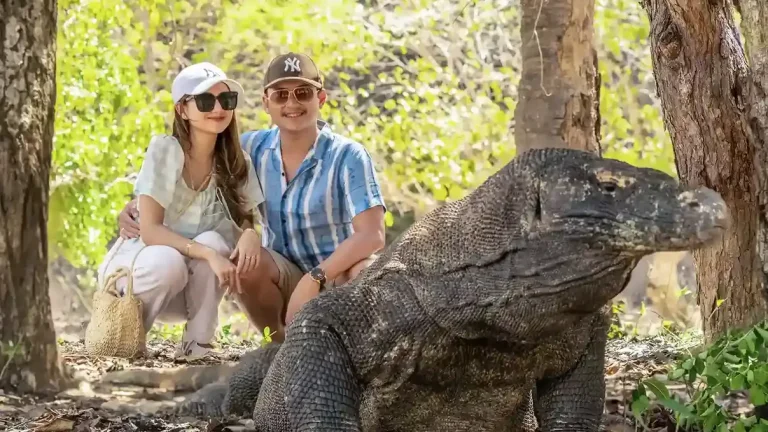
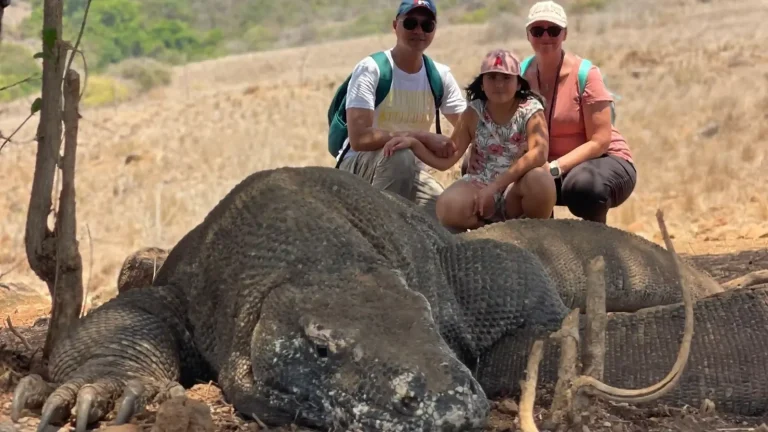
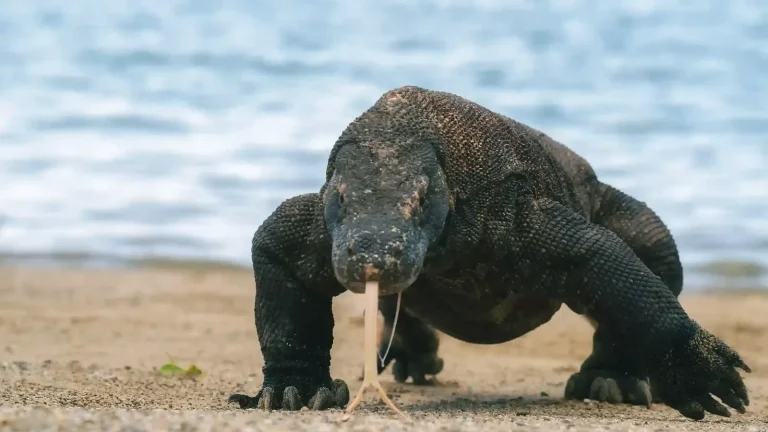
While the Komodo dragon commands the spotlight as the world’s largest living lizard, Komodo National Park supports an extraordinarily diverse ecosystem of terrestrial and marine wildlife that rewards observant naturalists with unexpected encounters throughout their yacht charter. The park’s 1,733 square kilometers encompass volcanic islands, savanna grasslands, monsoon forests, mangrove wetlands, coral reefs, and deep ocean channels — each habitat hosting specialized species adapted to this unique confluence of Asian and Australian biogeographic zones. A yacht charter provides the ideal platform to explore these varied habitats, with knowledgeable guides revealing wildlife that most day-trip tourists never notice.
What Bird Species Inhabit Komodo National Park?
Birdwatching in Komodo is exceptional, with over 150 avian species recorded across the park’s islands. The most spectacular is the yellow-crested cockatoo (Cacatua sulphurea) — a critically endangered species with fewer than 2,500 individuals remaining globally — which maintains a significant population on Komodo and Rinca islands. These striking white parrots with lemon-yellow crests are frequently spotted in the morning and late afternoon, calling raucously from treetops near the ranger stations. The orange-footed scrubfowl (Megapodius reinwardt) is a fascinating ground-nesting bird that constructs massive mound nests of decaying vegetation — some mounds exceed 5 meters in diameter and are maintained by generations of birds. Green junglefowl (Gallus varius) — the wild ancestor of domestic chickens with iridescent plumage — strut through the savanna grasslands. Raptors include the white-bellied sea eagle (Haliaeetus leucogaster), often seen soaring above coastal cliffs, and the Flores hawk-eagle (Nisaetus floris), another critically endangered species endemic to the Lesser Sunda Islands. On your yacht charter, you’ll also encounter frigatebirds, terns, kingfishers (including the stunning collared kingfisher with its electric blue and white plumage), and at Kalong Island, the spectacular evening flight of thousands of Pteropus vampyrus (giant flying foxes) with wingspans reaching 1.7 meters as they leave their mangrove roost to feed.
What Mammals Live on Komodo’s Islands?
Despite the islands’ relatively small size and isolation, several mammal species thrive in Komodo. The Timor deer (Rusa timorensis) is the most commonly seen — and most ecologically important — large mammal, serving as the primary prey species for Komodo dragons. Herds of 5–15 deer are frequently encountered grazing in savanna clearings on both Komodo and Rinca islands, particularly during morning and late afternoon treks. Their relationship with the dragons creates compelling wildlife viewing: during treks, rangers often point out dragon ambush sites along deer trails where dragons have waited motionless for hours before launching explosive attacks. Wild water buffalo (Bubalus bubalis) roam Rinca Island’s grasslands — these imposing animals are the only prey large enough to challenge adult Komodo dragons, and encounters between the two species are among the most dramatic wildlife events in the park. Feral horses (descendants of domesticated animals introduced centuries ago) gallop across Rinca’s open plains in small bands. The crab-eating macaque (Macaca fascicularis) is common in forested areas and along the coast, where troops forage at the waterline during low tide. At night, the Asian palm civet (Paradoxurus hermaphroditus) becomes active — listen for their calls in fruiting trees near your anchorage.
What Reptiles and Amphibians Share the Islands with Komodo Dragons?
Beyond the dragons themselves, Komodo’s islands host an impressive array of reptilian diversity. The green tree viper (Trimeresurus insularis) — a stunningly beautiful blue or green pit viper endemic to the Lesser Sunda Islands — is occasionally spotted coiled in vegetation during forest walks. While venomous, they are non-aggressive and pose no threat to aware hikers following ranger guidance. Monitor lizards other than Komodo dragons are also present — the water monitor (Varanus salvator) reaches 2 meters and is commonly seen swimming between islands or sunning on rocks near the waterline. Multiple gecko species, including the impressive tokay gecko (Gekko gecko) whose loud “to-KAY” call punctuates tropical evenings, inhabit the park’s forests and human structures. Skinks — small, fast-moving lizards — dart across trails and rocks throughout the park. Sea snakes, including the banded sea krait (Laticauda colubrina), are regularly encountered while snorkeling — these beautiful black-and-white banded snakes are venomous but extremely docile and pose no threat to snorkelers who observe without touching. Sea turtles (primarily green turtles and hawksbill turtles) nest on several beaches within the park and are frequently seen while snorkeling or diving — some individuals are remarkably unafraid of swimmers and allow close observation.
What Marine Megafauna Can You See from the Yacht?
Some of Komodo’s most exciting wildlife encounters happen from the yacht deck itself, without even entering the water. Oceanic manta rays (Mobula birostris) with wingspans up to 7 meters are the park’s marine superstars — they’re most reliably seen at dedicated cleaning stations (Manta Point and Mawan) but also frequently breach or surface-feed in open water between islands, creating spectacular displays visible from the yacht. Dolphins — primarily spinner dolphins (Stenella longirostris) and Indo-Pacific bottlenose dolphins (Tursiops aduncus) — are commonly encountered during yacht transits, often riding the bow wave in pods of 20–50 individuals. Spinner dolphins are particularly entertaining, leaping from the water and rotating multiple times before splashing back. During the transition months (October–November and March–April), migrating whale species pass through the deeper channels around Komodo, including sperm whales, blue whales (the world’s largest animal), and pilot whales. Eagle rays and mobula rays (smaller relatives of manta rays) frequently leap from the water in groups — a behavior called “breaching” that scientists believe serves for communication, parasite removal, or pure play. At night, the yacht’s lights attract squid and small fish, which in turn draw larger predators — guests sometimes watch sharks and trevally hunting in the illuminated water from the comfort of the deck.
How Does a Yacht Charter Enhance Wildlife Viewing?
A private yacht charter dramatically improves your wildlife encounters compared to day trips. Timing flexibility: wildlife is most active at dawn and dusk — times when day-trip boats are either still in port or heading back. Your yacht anchors overnight at prime wildlife locations, giving you exclusive access during the golden hours of wildlife activity. Expert guidance: premium charters include naturalist guides or marine biologists who identify species, explain ecological relationships, and know exactly where and when to find specific animals. Quiet approach: sailing under wind power or at slow engine speed allows yachts to approach wildlife without the disturbance of high-speed boat traffic. Extended observation: unlike rushed day trips, you can spend as long as you wish observing interesting wildlife behavior — watching a dragon hunt, following a manta ray’s feeding pattern, or waiting for a shy bird species to emerge. Night observations: anchoring in the park overnight enables nocturnal wildlife encounters impossible for day visitors — bioluminescent plankton displays, nocturnal reef creatures on night dives or snorkels, flying fox colonies at sunset, and the extraordinary star-viewing that comes with being far from artificial light pollution.
FAQ: Komodo Wildlife
Are Komodo dragons dangerous to yacht charter guests? Dragons are observed only on guided treks with licensed park rangers. Following ranger instructions eliminates virtually all risk. Dragons are confined to the islands — they don’t swim out to yachts.
When is the best time for manta ray encounters? Manta rays are present year-round but most reliably seen from December to February at Manta Point. June–September offers excellent encounters at both Manta Point and Mawan.
Can I see whales in Komodo? Whale sightings are most common during October–November and March–April migration periods. Sperm whales and pilot whales are the most frequently spotted species from yacht decks.
Are there dangerous marine animals? Sea snakes and blue-ringed octopus are venomous but non-aggressive. Jellyfish occasionally present. Following your guide’s instructions and not touching marine life eliminates risk.
Is a naturalist guide included in the charter? Premium charters often include marine biologists or naturalist guides. Standard charters provide knowledgeable crew. Request a dedicated wildlife guide when booking if this is a priority.
Can children enjoy the wildlife experiences? Absolutely — children are typically fascinated by dragons, dolphins, manta rays, and the dramatic flying fox sunset flight. Guided treks and snorkeling are suitable for children aged 6+.
Discover Komodo’s Complete Wildlife
Our nature-focused charters with expert guides reveal the full spectrum of Komodo’s extraordinary biodiversity.