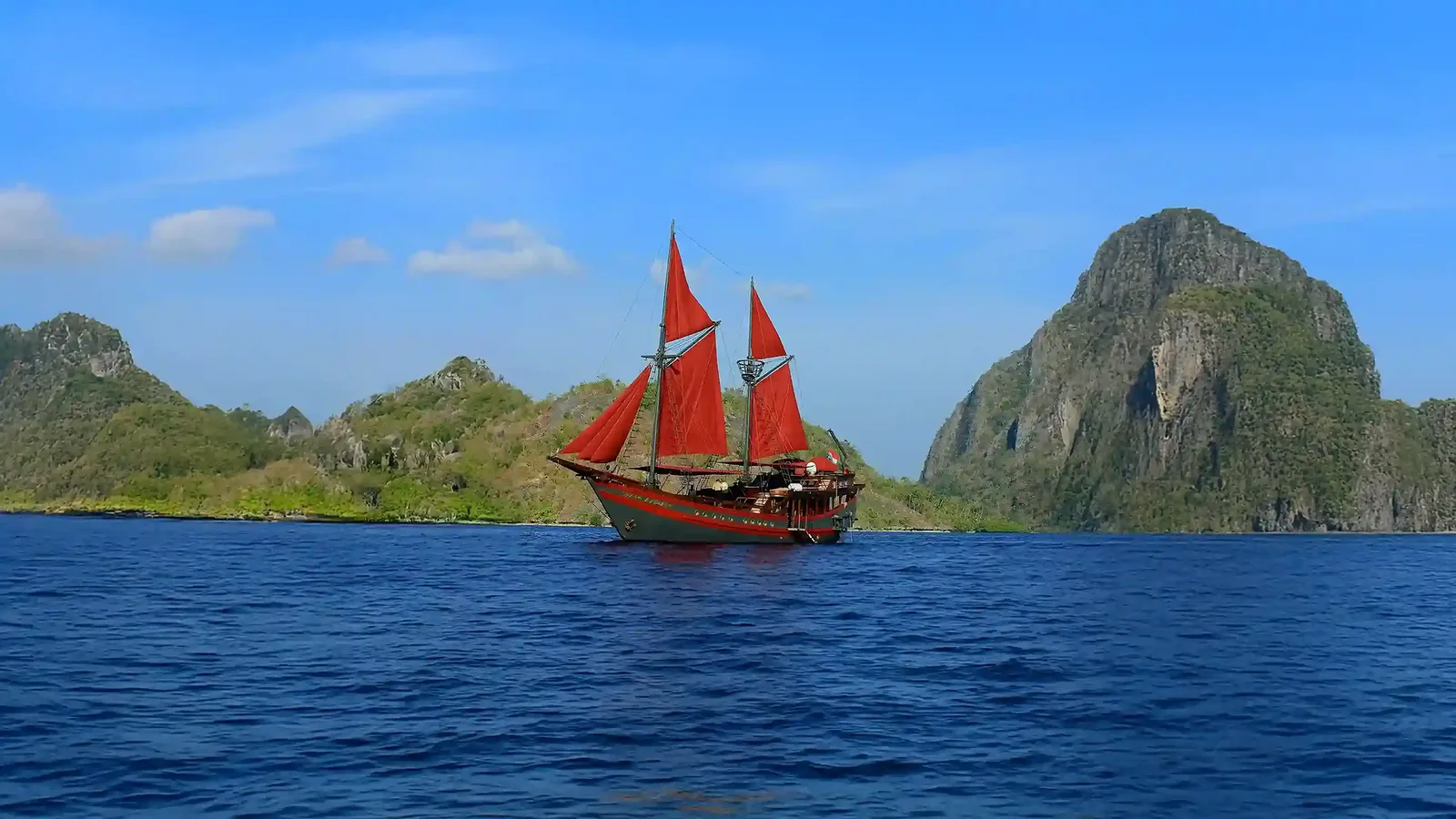
Indonesia Repositioning Charters: Komodo–Raja Ampat Crossing Voyages

Indonesia Repositioning Charters: Komodo–Raja Ampat Crossing Voyages

An Indonesia yacht repositioning charter puts you on board a luxury phinisi or superyacht while it relocates between Komodo and Raja Ampat — sailing a crossing route through Alor, the Banda Sea and the Spice Islands that is never sold as a regular charter week. These voyages exist only twice a year, around November and April, and because the vessel has to make the journey anyway, they are typically offered below the yacht’s standard nightly rate.

For seasoned charterers, a repositioning voyage is arguably the best-value way to reach Indonesia’s most remote waters aboard a fully crewed luxury yacht. This guide explains why the crossings exist, the route, the pricing, and how to secure a berth before each window closes.

What Is a Yacht Repositioning Charter?

Indonesia’s luxury charter fleet does not stay in one place all year. The phinisi and expedition yachts that cruise Komodo National Park during the dry season migrate east to Raja Ampat when the winds shift — and back again several months later. A repositioning charter (sometimes called a delivery voyage or crossing voyage) simply opens that migration to guests.

Instead of the yacht steaming empty between its two home cruising grounds, the owner or operator sells the passage as a one-way charter. You board in Labuan Bajo and disembark in Sorong — or the reverse — having crossed some of the least-visited seas in the archipelago. Everything that defines a private luxury charter in Indonesia remains in place: full professional crew, private chef, dive and snorkel guides, an all-inclusive on-board standard. What changes is the route, the rhythm, and very often the price.

Why These Crossings Exist: The Komodo–Raja Ampat Season Split

The crossings are a direct product of Indonesia’s charter calendar. Komodo’s prime season runs roughly April to November, when the dry season brings calm seas and superb diving conditions around the national park. Raja Ampat’s window is the mirror image: roughly November to April, when conditions in far-eastern Indonesia are at their best for cruising and diving.

Because the two seasons barely overlap, most of the high-end fleet — the same class of vessels we profile across our fleet pages — repositions twice a year:

  • The eastbound crossing (around November): yachts leave Komodo at the end of the dry season and sail east toward Sorong, gateway to Raja Ampat.
  • The westbound crossing (around April): as Raja Ampat’s season winds down, the fleet returns west to Labuan Bajo in time for Komodo’s opening months.

If you are weighing the two destinations against each other rather than sailing between them, our guide to a Komodo–Raja Ampat dual-season charter breaks down how to plan back-to-back trips around the same seasonal split. The repositioning voyage is the third option most charterers never hear about: rather than choosing one cruising ground, you sail the corridor that connects them.

The Route: Alor, the Banda Sea and the Spice Islands

What makes the crossing so compelling is the water in between. The passage between Flores and West Papua threads through regions that regular one-week Komodo or Raja Ampat itineraries simply cannot reach:

  • Alor and the Flores–Maumere arc — dramatic volcanic coastlines, strong-current dive channels and villages that see only a handful of yachts each year.
  • The Banda Sea — deep open-water passages known for seasonal pelagic encounters, including the sea-snake and hammerhead sites that expedition divers travel across the world for. Sightings are never guaranteed, but the crossing season aligns with the period most operators consider promising.
  • The Banda Islands and the Spice Islands — the historic nutmeg islands of Maluku, combining colonial-era forts, pristine reef walls and one of the most storied maritime histories on earth. Our partner operator’s Spice Islands destination guide covers the anchorages and landing sites in detail.

Vessels such as Aqua Blu have built their reputation on fixed-route expedition itineraries linking Komodo, the Spice Islands and Raja Ampat — proof that this corridor is not a compromise route but a destination in its own right. On a repositioning charter, you sail essentially the same waters at a fraction of the usual commitment.

Indicative Pricing: Why Crossing Voyages Cost Less

Repositioning economics favour the guest. The yacht must move between Labuan Bajo and Sorong regardless of whether anyone is on board; fuel, crew salaries and provisioning for the passage are already committed costs. Selling the crossing therefore lets operators price below their standard charter rate while still improving the vessel’s season.

Exact numbers are always yacht-specific and quoted on request, but the table below shows how crossing pricing typically sits against standard full-boat rates for Indonesia’s luxury fleet:

Vessel tierStandard nightly rate (indicative, full boat)Typical crossing lengthCrossing voyage pricing
Luxury phinisi (5–7 cabins)From USD 4,500–8,000 per night7–12 nightsBelow standard rate; on request
Luxury motor yachtFrom USD 6,000–12,000 per night7–12 nightsBelow standard rate; on request
Superyacht / ultra-luxuryFrom USD 8,000–27,000 per night8–14 nightsReduced or itinerary-priced; on request

Two notes matter. First, all figures above are indicative 2026-level bands for private full-boat charter; park fees, taxes and expedition surcharges are quoted separately. Second, a few flagship vessels sell their crossings as premium expedition itineraries rather than discounted deliveries — there the appeal is the route itself, not the saving. We will always tell you which applies to the vessel you are considering.

The Expedition Character: What to Expect On Board

A crossing voyage feels different from a Komodo charter week, and it should. Expect:

  • More time under way. The route covers serious distance, so there are longer sailing legs — including some overnight passages — between anchorages. For guests who love the feel of a phinisi under sail in open water, this is the entire point.
  • Spontaneous landings. Weather and sea state shape the itinerary day by day. Captains will divert to a reef, a village or a sheltered bay as conditions allow, which produces the kind of unscripted moments that fixed itineraries cannot.
  • Remote-area self-sufficiency. There are no marinas, resorts or medical facilities along most of the route. The yachts that make this crossing carry full expedition provisioning, tenders, compressors and experienced crews — the same capability set we describe in our guide to an explorer yacht charter in Komodo.
  • A looser daily rhythm. Fewer scheduled excursions, more reading decks, night skies and long meals. Divers, photographers and genuine sea-lovers tend to rate crossings among their best charters; guests who want a packed shore-activity program each day are usually better suited to a standard Komodo week.

November or April: Choosing Your Crossing Direction

Eastbound in November: Komodo to Raja Ampat

The November crossing suits charterers who want to arrive in Raja Ampat right as its season opens. Boarding in Labuan Bajo, you leave Komodo’s dragons and manta channels behind and sail east through Alor and the Banda Sea, disembarking in Sorong. Many guests pair the crossing with a few days’ diving in Raja Ampat at the start of its prime months.

Westbound in April: Raja Ampat to Komodo

The April crossing runs the corridor in reverse, catching the tail of Raja Ampat’s season and delivering you to Labuan Bajo as Komodo’s dry season begins. It is a natural fit for guests who want to finish with Padar’s ridgelines, Pink Beach and a Komodo dragon trek — the classic park highlights — after a week of remote-water sailing.

Neither direction is objectively better; the choice follows which destination you want in full season on either side of the passage.

Which Yachts Cross — and How to Book

Most of the vessels that reposition are the same luxury phinisi and expedition yachts that headline both cruising grounds — names such as Lamima, Dunia Baru, Prana, Vela and Celestia operate across the Komodo and Raja Ampat seasons, while Aqua Blu runs the corridor within its fixed expedition programme. Availability differs every year: some owners sell the crossing openly, some release it quietly to brokers, and some carry no guests at all. That opacity is why crossings rarely appear on public booking pages — there is no central calendar of repositioning departures.

With only two windows a year and a handful of yachts selling each passage, full-boat buyers should ideally inquire six to twelve months ahead of the November or April window; the best vessels commit their crossing plans well before the season ends. Occasionally an operator releases a crossing at shorter notice, but relying on that is a gamble.

Our Komodo yacht charter broker desk monitors the fleet’s seasonal movements on both sides of the corridor, which means we often know which vessels will sell their crossing before any public listing exists. Tell us your preferred window, group size and budget, and we will match you to the passages actually available that season — with transparent, vessel-specific pricing rather than generic estimates.

Frequently Asked Questions

What is an Indonesia yacht repositioning charter?

It is a one-way luxury charter sold on a yacht’s seasonal relocation between Komodo and Raja Ampat. Guests board in Labuan Bajo or Sorong and sail the crossing route via Alor, the Banda Sea and the Spice Islands, with the same full crew, private chef and all-inclusive standard as a regular charter.

When do the crossings take place?

Around November (eastbound, Komodo to Raja Ampat) and around April (westbound, Raja Ampat to Komodo), following the seasonal split between Komodo’s April–November window and Raja Ampat’s November–April window. Exact departure dates vary by vessel and year.

How much does a repositioning charter cost?

Pricing is always vessel-specific and quoted on request. As an indicative guide, standard full-boat rates for Indonesia’s luxury fleet run from roughly USD 4,500 per night for a premium phinisi to USD 27,000+ per night at superyacht level, and crossing voyages are typically positioned below the vessel’s standard rate. Park fees and taxes are additional.

Is a crossing voyage suitable for first-time charterers?

It can be, provided expectations are set correctly. Crossings involve longer sailing legs, some open-water passages and a flexible itinerary. First-timers who love the idea of remote expedition sailing thrive on them; guests who prefer short hops and daily shore activities are usually happier on a standard Komodo itinerary.

Can the route or stops be customised?

Within limits, yes. The start and end ports are fixed by the repositioning, but on a full-boat charter the captain can weight the itinerary toward diving, the Banda Islands, or village and culture stops — always subject to weather and sea state, which lead the decision-making on this route.

How far in advance should we inquire?

Six to twelve months before the November or April window is ideal for full-boat crossings, since operators finalise their season plans early. Late availability does appear occasionally, so it is worth registering interest with our broker desk even inside that window.

Secure Your Crossing Voyage

Repositioning charters reward the well-prepared: two windows a year, a short list of vessels, and routes through the Spice Islands that regular charter weeks never touch. Tell us your preferred direction and dates and we will confirm which yachts are selling their crossing this season, with firm pricing on request.

Message our charter specialists on WhatsApp at +62 811 3823 875 or email [email protected] to start planning your Komodo–Raja Ampat crossing voyage.

Scroll to Top